


-
Dock Builders Supply Standard Duty Take-A-Part Mooring Whips for boats 17' to 20'

SKU:MW-A1A-S-1200TA
Ready to ShipDock Builders Supply Standard Duty Take-A-Part Mooring Whips for boats 17' to 20'
- Regular price
- $489.00
- Sale price
- $489.00
- Regular price
-
-
Dock Builders Supply 20' to 37' Boat Length Heavy Duty Take-A-Part Mooring Whips

SKU:MW-A1A-H-1600TA
More Coming Soon! Ship Time: 1-2 Business DaysDock Builders Supply 20' to 37' Boat Length Heavy Duty Take-A-Part Mooring Whips
- Regular price
- $795.00
- Sale price
- $795.00
- Regular price
-
-
13 in. Mooring Buoys with Stainless Steel Hardware


SKU:W1300MAWSS
Ready to Ship13 in. Mooring Buoys with Stainless Steel Hardware
- Regular price
- $479.80
- Sale price
- $479.80
- Regular price
-
-
24 in. Mooring Buoys with Stainless Steel Hardware

SKU:W2400MAWSS
Ready to Ship24 in. Mooring Buoys with Stainless Steel Hardware
- Regular price
- $648.80
- Sale price
- $648.80
- Regular price
-
-
13 x 18 Elliptical Mooring Buoys with Stainless Steel Hardware

SKU:W1318MAWSS
Ready to Ship13 x 18 Elliptical Mooring Buoys with Stainless Steel Hardware
- Regular price
- $429.95
- Sale price
- $429.95
- Regular price
-
-
13 in. Mooring Buoys with Galvanized Steel Hardware

SKU:W1300MAW
Ready to Ship13 in. Mooring Buoys with Galvanized Steel Hardware
- Regular price
- $422.60
- Sale price
- $422.60
- Regular price
-
-
24 in. Mooring Buoys with Galvanized Steel Hardware

SKU:W2400MAW
Ready to Ship24 in. Mooring Buoys with Galvanized Steel Hardware
- Regular price
- $599.60
- Sale price
- $599.60
- Regular price
-
-
18 x 30 Elliptical Mooring Buoys with Stainless Steel Hardware

SKU:W1830MAWSS
Ready to Ship18 x 30 Elliptical Mooring Buoys with Stainless Steel Hardware
- Regular price
- $549.95
- Sale price
- $549.95
- Regular price
-
-
18" Mooring Buoys with Stainless Steel Hardware

SKU:W1800MAWSS
Ready to Ship18" Mooring Buoys with Stainless Steel Hardware
- Regular price
- $559.80
- Sale price
- $559.80
- Regular price
-
-
18 in. Mooring Buoys with Galvanized Steel Hardware

SKU:W1800MAW
Ready to Ship18 in. Mooring Buoys with Galvanized Steel Hardware
- Regular price
- $519.60
- Sale price
- $519.60
- Regular price
-


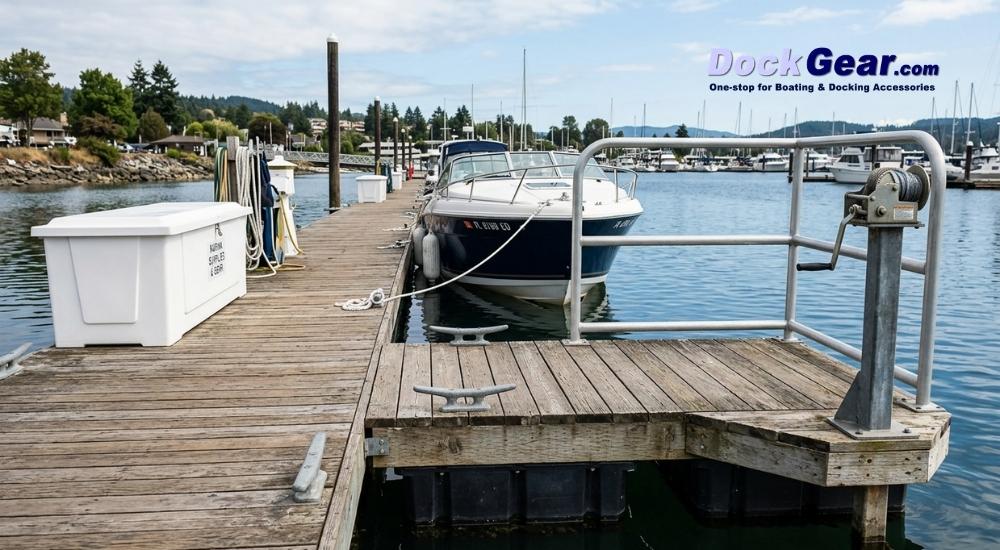
A Complete Guide to Dock Hardware and Accessories
For those who own or manage waterfront property, a reliable dock is more than just a platform—it serves as a gateway to adventure, relaxation, and peace of mind. Ensuring that a dock remains secure, functional, and safe year after year comes down to selecting the right dock supplies and anchoring supplies. Whether the individual is a seasoned boater, a marina operator, or a DIY enthusiast planning a first dock build, understanding the components of quality marine hardware is crucial.
DockGear.com understands that every dock is as unique as the shoreline it sits upon. That’s why the extensive online catalog offers everything needed, from rugged dock floats to premium mooring products and safety accessories—all sourced from top marine brands trusted by professionals nationwide. The selection includes heavy-duty options built to withstand both freshwater and saltwater environments, as well as innovative add-ons that enhance comfort, safety, and usability for everyone who enjoys time on the water.
This guide breaks down the essential categories in dock hardware and accessories, highlighting key factors to consider when upgrading or maintaining a dock. It covers how to select durable components, how streamlined online ordering simplifies any project, and why depending on a one-stop source like DockGear.com can make a significant difference—for every boating season and every waterfront upgrade.
Key Takeaways:
- Using dock hardware and accessories that match your water conditions and dock type is key for lasting safety and stability.
- Mooring systems, flotation devices, and safety features are vital components for keeping your dock secure and functional.
- DockGear.com offers an easy shopping experience, making it simple to find and order the right dock hardware and accessories for your needs.
How to Select the Right Dock Hardware Materials
Choosing the optimal dock hardware materials plays a crucial role in constructing a dock system that offers long-term durability. The environment a dock faces, whether it’s a freshwater lake, brackish river, or salty coastal marina, dictates which materials provide the ideal combination of strength, resistance, and longevity. The following outlines the key factors and material types to consider when sourcing dock supplies and anchoring supplies:
Match Materials to Environment
- Saltwater Exposure: Docks installed in coastal areas require hardware crafted from marine-grade stainless steel or hot-dipped galvanized steel. These materials are specifically designed to withstand the rapid corrosion caused by salt and humidity.
- Freshwater Installations: While freshwater environments are less corrosive than saltwater, they still demand metals with corrosion-resistant properties. Galvanized steel and zinc-plated fasteners are common choices, providing a good balance between affordability and durability.
- Brackish or Variable Environments: For docks exposed to fluctuating water conditions due to tides or storms, it is advisable to choose the highest grade of stainless steel possible, such as 316 stainless for optimal protection.
Weigh Strength vs. Maintenance
- Stainless Steel: Stainless steel is renowned for its exceptional anti-corrosion qualities and sleek appearance, though it comes at a premium. Maintenance is minimal, typically only requiring an occasional rinse.
- Galvanized Steel: Galvanized steel offers impressive strength and impact resistance. Its zinc coating guards against rust, making it a reliable option for anchoring hardware. However, the coating may wear over time, so regular inspection and eventual replacement are necessary.
- Aluminum: Aluminum is lightweight and inherently rustproof. Although it lacks the strength of steel, its brackets and cleats are easy to handle, install, and maintain. This material works well for lighter-use docks where weight and convenience are priorities.
- Polymer and Composite: In recent years, polymer and composite materials have become common for hardware such as bumpers, corner guards, and certain dock floats. These options are immune to corrosion, offer stability against UV rays, and require virtually no maintenance.
Don’t Overlook Fasteners and Connectors
Each bolt, nut, and tie-down is just as vital as the primary dock frame. It’s important to use fasteners that match the corrosion resistance of the main hardware; mixing different metals can lead to galvanic corrosion and premature wear. Careful material matching helps prevent repairs and ensures the dock remains safe and secure.
Consider Ease of Replacement
Repairs and upgrades are inevitable over time. Selecting materials and hardware designed for straightforward replacement—such as hinges, pile guides, or fender brackets—makes future work much easier. Modular, standardized components allow the dock system to evolve, ensuring the investment remains practical as needs change.
By considering these factors and choosing compatible dock supplies and anchoring supplies, a durable, low-maintenance waterfront foundation can be established and enjoyed for years to come.
Essential Dock Hardware and Accessories
When building a reliable dock or upgrading an existing one, cutting corners on hardware simply isn’t an option. The right dock supplies and anchoring equipment serve as the backbone of any safe and functional waterfront installation. From structural stability to daily convenience, every component plays a crucial role. Here’s what to know about the must-have hardware and accessories that keep any dock secure, resilient, and user-friendly - whether the project involves a residential pier or a bustling marina.
Dock Anchoring Hardware: Anchoring acts as the first line of defense against shifting tides, wind, and boat movement. Heavy-duty dock brackets, galvanized lag bolts, piling hoops, piling caps, and pipe holders all provide both flexibility and outstanding hold, ensuring the dock remains exactly where it was installed. Corrosion-resistant materials are particularly important—especially in saltwater environments—and the anchoring system should always be matched to local water conditions.
Dock Floats and Flotation Devices: For floating docks, rugged, foam-filled dock floats are essential. These components need to resist punctures, UV rays, and marine growth. Modular float options allow for custom dock layouts, while seamless rotational-molded floats offer extra stability and long-lasting buoyancy.
Ladders and Steps: Every dock needs safe access points. Pull-up ladders enable low-maintenance storage, flip-up ladders are suited to seasonal docks, and wide step units ensure easy, slip-resistant entry no matter the conditions. Marine-grade aluminum dock ladders offer the dual benefits of strength and corrosion resistance.
Dock Bumpers and Fenders: Heavy-duty bumpers installed at high-impact zones prevent hull scratches and costly dock repairs. Vinyl and polyethylene bumper profiles, post bumpers, corner protectors, and mooring fenders all help absorb impacts, protecting both boats and docks from damage during docking maneuvers or in rough water.
Cleats, Rings, and Mooring Hardware: Robust, marine-grade dock cleats are available in a wide range of sizes for tying up watercraft of all kinds. Stainless steel or galvanized steel are preferred for their durability. Mooring rings and tie-downs add versatility, making it easier to accommodate guest boats or adjust to fluctuating water levels.
Lighting and Safety Gear: Proper dock lighting is vital for nighttime navigation and accident prevention. Low-voltage LED options, solar dock lights, and illuminated post caps all boost safety without consuming much power. Essential safety accessories include life ring holders, fire extinguisher mounts, and grab rails—simple additions that can have a significant impact in an emergency.
From foundational anchoring equipment to comfort-focused accessories, assembling a quality toolkit of dock hardware sets the standard for performance, safety, and long-lasting reliability along any waterfront.
What Is Dock Hardware and Why Does It Matter?
Dock hardware serves as the backbone of any well-built and dependable dock system. It comprises the essential structural and connecting components that tie the entire assembly together—from base frames and corner brackets to fasteners, pipe supports, cleats, and anchoring supplies. High-quality dock hardware is engineered to withstand the relentless stresses of sun, wind, water, and vessel movement. Its primary function is to keep the dock safe, secure, and functional, whether the setting is a quiet lakeside retreat or a bustling commercial marina.
Dock Floats and Flotation Hardware
A stable, level dock begins with reliable flotation. Dock floats and flotation hardware often go unnoticed, yet they are essential in providing buoyancy, stability, and safety—whether for new construction or when upgrading an existing dock. The correct dock floats keep structures above the waterline, accommodate changing water levels, and support the weight of people, equipment, and accessories.
Modern dock floats are designed with heavy-duty polyethylene shells that stand up to cracking, corrosion, and UV exposure. Inside, closed-cell foam cores block water, even after an impact or abrasion, ensuring dependable flotation over many years. When selecting supplies, it’s important to choose dock floats that are rated for both freshwater and saltwater environments, and to ensure their weight capacities match the intended application - be it residential, light-commercial, or marina-grade.
However, the float itself is only part of the solution. High-quality flotation hardware is crucial for secure installation. Stainless steel or hot-dipped galvanized brackets, mounting plates, and fastening kits provide corrosion resistance and long-term durability. It’s best to use systems that feature compatible bolt patterns and pre-drilled panels, making assembly faster and reducing guesswork during installation.
Dock Cleats: Types and Features
Dock cleats are essential hardware for safely securing your boat to the dock. With a variety of options available, it’s important to choose the right type to match your dock's material, environment, and usage.
- Flip-Up Cleats — These cleats remain flush with the dock when not in use, reducing trip hazards. When needed, they easily flip up to provide a sturdy tie-off point.
- S-Cleats — Featuring a curved, S-shaped design, these cleats allow for multiple lines to be secured quickly, making them ideal for busy docks or temporary mooring.
- Galvanized Steel Cleats — Known for their strength and corrosion resistance, galvanized steel cleats are built to endure harsh marine environments, including saltwater exposure.
- Dock Cleat Lights — Combining safety and visibility, these innovative cleats feature built-in LED lighting, illuminating the dock edge to prevent accidents during nighttime docking.
When selecting dock cleats, be sure to consider the size and weight of your vessel, as well as your dock’s materials and conditions. High-quality cleats not only keep your boat secure but also enhance dock safety and functionality.
Safety Equipment for Docks and Marinas
When it comes to docks and marinas, safety is never just a box to check, it is a constant priority that influences every decision, from the hardware installed to the accessories kept on hand. Whether outfitting a residential dock or managing a busy marina, having the appropriate safety equipment is essential for protecting everyone on the water.
Handrails and dock ladders provide key safeguards, especially for children and less experienced swimmers. Marine-grade aluminum or stainless steel ladders offer reliable grip even when wet, and are resistant to rust and corrosion. Many models allow for quick deployment, making it easier for someone to climb out of the water after a fall.
Lighting also plays a vital role in dock safety. LED dock lights and solar-powered edge markers improve visibility at night and in foggy conditions, reducing the risk of slips, trips, and collisions for both boaters and pedestrians. Well-placed lights illuminate walkway edges, cleats, and obstacles, guiding everyone safely along the dock after dark.
For further hazard prevention, dock bumpers and corner guards absorb impacts from boats and minimize the risk of injury to those who might brush by sharp edges. Non-slip dock mats and decking strips reduce accidents by offering secure footing, particularly during rain or water activities.
Installing dock boxes to keep accessories and docking items nicely stores and out of walkways further adds to the safety picture, plus keeps a dock looking clean and tidy.
By equipping docks and marinas with robust safety gear such as rescue rings, ladders, bumpers, lighting, and non-slip solutions, a protected environment is created—safeguarding both people and property, while also making waterfront spaces more welcoming for all.
Dock Hardware Installation and Maintenance Tips
Installing and maintaining dock hardware involves more than simply tightening bolts; it’s about safeguarding an investment and ensuring continued safety for all who use the dock. The following tips help optimize dock supplies and anchoring supplies for long-term performance and durability:
- Start with the Right Tools and Components Before beginning installation, it’s important to organize all hardware—brackets, fasteners, floats, cleats, and anchoring systems like dock winches, and verify compatibility with the chosen dock design. Stainless steel and hot-dipped galvanized hardware are recommended for their corrosion resistance, particularly in saltwater or brackish environments.
- Anchor with Precision Proper placement of dock anchors is crucial. Anchors should be secured at the manufacturer’s recommended points based on the dock’s configuration, using chain, cable, or piling kits rated for the structure’s weight and local water conditions. Shifting anchors compromise stability, so careful measurement and adherence to specified torque guidelines are essential.
- Secure All Connections Locking washers and marine-grade thread-locking compounds should be used where necessary, especially on moving parts such as hinges or lift hoists. Connections must be tightened firmly but not excessively, to avoid damaging wood or composite decking.
- Inspect Regularly All visible hardware should be inspected each season for signs of rust, wear, or fatigue. Special attention should be given to brackets, ladder mounts, bumper bolts, and anchoring chains. Worn components should be replaced before failure occurs, and marine grease applied to moving or load-bearing joints as needed.
- Adjust for Changing Conditions Water levels and currents can fluctuate, making it important to periodically check anchoring supplies and hardware tension. Prior to freezing conditions, the dock should be winterized—removing or loosening fasteners on floating docks and shielding metal hardware from expanding ice.
- Keep Decking and Accessories Clean Salt, algae, and debris can speed up hardware deterioration. Regular rinsing of dock hardware and checks for buildup are recommended, as debris can hide early signs of damage like splitting or rust. Addressing small issues promptly prevents more expensive repairs in the future.
By following these practical steps, dock owners can keep their docks secure, durable, and ready for every boating season.